
Have you ever driven past a new neighborhood and wondered how that empty field transformed into a thriving community? Behind every successful development lies countless hours of planning, engineering expertise, and meticulous attention to detail. If you’re sitting on a piece of land with big dreams, you might be tempted to cut corners and handle things yourself. But here’s the truth: land development isn’t a weekend DIY project. It’s a complex puzzle that requires professional hands to piece together correctly.
Think of land development like building a house of cards. One wrong move, one miscalculation, and the entire structure comes tumbling down. That’s exactly what can happen when you skip hiring a professional engineering company. From navigating complicated regulations to ensuring proper drainage systems, these experts serve as the backbone of any successful project. They handle everything from the initial platting and subdividing of land to the final infrastructure installations that make a property functional and valuable.
In this comprehensive guide, we’ll walk you through why investing in professional engineering services isn’t just smart—it’s essential. Whether you’re a first-time landowner, a seasoned investor, or simply curious about the process, you’ll discover the hidden complexities of land development and understand why the pros do it best.
Understanding Land Development Basics
Before we dive deep into why you need professional help, let’s establish what land development actually means. At its core, land development is the process of transforming raw, undeveloped land into something usable—whether that’s residential neighborhoods, commercial centers, industrial parks, or mixed-use communities.
What’s Actually Involved?
Land development encompasses far more than just clearing trees and laying foundations. It includes site analysis, environmental assessments, zoning compliance, utility coordination, grading, drainage design, road construction, and much more. Each of these elements requires specialized knowledge that takes years to master.
The Scope Can Surprise You
Many property owners underestimate the scope of their projects. What seems like a simple task—say, dividing your ten-acre property into smaller lots—actually involves surveying, engineering calculations, government approvals, and precise documentation. Without understanding this scope from the start, you could find yourself buried in unexpected complications.
Why Starting Right Matters
The decisions made at the beginning of a land development project echo throughout its entire lifespan. Poor initial planning leads to expensive corrections down the road. Professional engineering companies bring systematic approaches that prevent these costly oversights and set your project on the path to success from day one.

What Does a Professional Engineering Company Do?
So what exactly are you paying for when you hire an engineering company? The answer might surprise you with its breadth and depth.
Comprehensive Site Evaluation
Engineering firms begin by thoroughly evaluating your property. They assess soil conditions, topography, existing vegetation, water features, and potential environmental concerns. This evaluation forms the foundation for all future decisions and designs.
Design and Planning Services
These professionals create detailed plans for how your land will be developed. This includes everything from road layouts and lot configurations to stormwater management systems and utility placements. Their designs balance functionality, aesthetics, regulatory requirements, and budget constraints.
Permitting and Approval Navigation
Perhaps one of their most valuable services involves navigating the bureaucratic maze of permits and approvals. Engineering companies understand what local, state, and federal agencies require. They prepare documentation, attend meetings, address concerns, and advocate for your project’s approval.
Construction Oversight
Many engineering firms also provide construction administration services. They ensure that contractors follow approved plans, materials meet specifications, and work progresses according to schedule. This oversight protects your investment and ensures quality outcomes.
The Coordination Role
Professional engineers serve as the central hub connecting surveyors, architects, contractors, utility companies, and government officials. This coordination prevents miscommunication and keeps all parties aligned toward common goals.
The Critical Role of Platting and Subdividing of Land
When it comes to dividing larger properties into smaller parcels, platting and subdividing of land represents one of the most technical aspects of development. This process isn’t just drawing lines on a map—it’s a legally binding procedure with serious implications.
What Is Platting?
A plat is essentially a detailed map that shows how a piece of land is divided into lots, streets, and public areas. It becomes an official record that’s filed with government authorities. Creating an accurate plat requires precise surveying, careful calculations, and thorough knowledge of local regulations.
The Subdivision Process Explained
Subdividing means dividing a single parcel of land into two or more separate parcels. This process requires approval from local planning authorities and must comply with zoning ordinances, minimum lot sizes, setback requirements, and infrastructure standards.
Why Professional Help Is Non-Negotiable
The platting and subdividing of land involves legal descriptions that must be perfectly accurate. Even small errors can create title problems, boundary disputes, and development restrictions that haunt property owners for years. Professional engineering companies have the expertise to execute this process flawlessly.
Meeting Local Requirements
Every municipality has its own subdivision regulations. Some areas require extensive infrastructure improvements before approving subdivisions. Others have strict environmental protection requirements. Engineering professionals understand these local nuances and design subdivisions that meet all applicable standards.
Creating Marketable Lots
Beyond meeting minimum requirements, skilled engineers design subdivisions that maximize property value. They consider factors like lot orientation, access points, views, and natural features to create lots that appeal to buyers and command premium prices.
Legal and Regulatory Compliance Made Simple
Navigating the legal landscape of land development feels overwhelming for most property owners. The regulations seem endless, and the consequences of non-compliance are severe.
The Regulatory Framework
Land development falls under multiple regulatory umbrellas. Zoning codes dictate what can be built where. Subdivision ordinances control how land can be divided. Building codes govern construction standards. Environmental regulations protect natural resources. Each layer adds complexity to your project.
Understanding Zoning Requirements
Zoning determines whether your planned use is even possible on your property. Professional engineers understand how to read zoning maps, interpret use tables, and navigate variance processes when needed. They can also identify opportunities for rezoning that might expand your options.
Subdivision Regulations Deep Dive
Local subdivision regulations specify requirements for lot dimensions, street widths, utility easements, stormwater management, and more. Engineering companies translate these requirements into practical designs that satisfy regulators while meeting your development goals.
Environmental Regulations
Federal laws like the Clean Water Act and state environmental protection statutes add another regulatory layer. Wetlands, floodplains, endangered species habitats, and other sensitive areas require special consideration. Professional engineers identify these constraints early and design around them appropriately.
The Cost of Non-Compliance
Failing to comply with regulations can result in stop-work orders, fines, required modifications, and even project cancellation. In severe cases, property owners face lawsuits from neighbors or enforcement actions from government agencies. Professional guidance protects you from these expensive consequences.
Avoiding Costly Mistakes and Delays
Every experienced developer has stories about projects derailed by preventable mistakes. Learning from these cautionary tales helps you understand why professional expertise matters.
Common Planning Errors
Inexperienced developers often make fundamental planning errors. They might design lots that don’t meet minimum size requirements, propose road layouts that don’t meet safety standards, or fail to account for required setbacks. Each error means redesign time and additional costs.
Survey and Boundary Issues
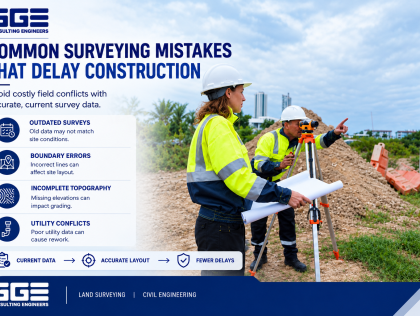
Incorrect surveys lead to boundary disputes, encroachments, and title problems. Professional engineering companies work with licensed surveyors to ensure accurate boundary determinations and proper monument placement.
Utility Coordination Failures
Forgetting to coordinate with utility companies is surprisingly common. Developers sometimes discover too late that electric lines can’t reach certain lots or that water pressure is insufficient for their planned density. Engineering firms coordinate with utilities from the project’s earliest stages.
Stormwater Management Mistakes
Improperly designed drainage systems cause flooding, erosion, and water quality problems. These issues generate complaints from neighbors, enforcement actions from regulators, and expensive remediation requirements. Professional stormwater design prevents these problems.
The True Cost of Delays
Project delays aren’t just frustrating—they’re expensive. Carrying costs accumulate, material prices increase, and market conditions shift. Every month of delay erodes your project’s profitability. Professional engineering minimizes delays by anticipating problems before they occur.
Environmental Considerations You Can’t Ignore
Environmental stewardship isn’t optional in modern land development. Regulations require it, buyers expect it, and responsible development demands it.
Environmental Site Assessments
Before development begins, professional engineers conduct environmental site assessments. These evaluations identify potential contamination, sensitive habitats, and other environmental concerns that might affect your project.
Wetlands and Water Features
Wetlands enjoy strong legal protections. Developing in or near wetlands requires permits and often mitigation measures. Engineering companies identify wetland boundaries, design projects that avoid impacts, and navigate permitting when impacts are unavoidable.
Stormwater Quality Management
Modern regulations require developments to manage not just the quantity of stormwater runoff but also its quality. Professional engineers design systems that filter pollutants and protect downstream water bodies.
Erosion and Sediment Control
Construction activities disturb soil, creating erosion potential. Sediment washing into streams harms aquatic ecosystems and violates environmental regulations. Engineering firms design erosion control plans that protect the environment during construction.
Sustainable Development Practices
Forward-thinking engineering companies incorporate sustainable practices into their designs. Low-impact development techniques, green infrastructure, and conservation designs create developments that work with nature rather than against it.
Infrastructure Planning and Design
Infrastructure forms the skeleton of any development. Without properly designed roads, utilities, and drainage systems, even the best-located properties can’t reach their potential.
Road Design Fundamentals
Roads must meet safety standards for width, grade, sight distance, and intersection design. Professional engineers create road layouts that move traffic efficiently while meeting all applicable standards.
Water Supply Systems
Developments need reliable water supplies. Engineering companies design water distribution systems that deliver adequate pressure and flow to every lot. They coordinate with water authorities to ensure sufficient capacity exists.
Sanitary Sewer Design
Whether connecting to public sewers or designing private systems, proper sanitary facilities are essential. Engineers calculate flows, design pipe networks, and ensure systems function properly under all conditions.
Stormwater Infrastructure
Effective stormwater management requires carefully designed infrastructure. Pipes, culverts, detention basins, and other facilities must be sized correctly and located strategically. Professional design prevents flooding and erosion problems.
Utility Easements and Coordination
Utilities need access to maintain their facilities. Engineering companies establish appropriate easements and coordinate with multiple utility providers to ensure services reach every lot without conflicts.
The Financial Benefits of Professional Expertise
Hiring professionals costs money—there’s no getting around that fact. But the financial benefits typically far outweigh the investment.
Avoiding Expensive Redesigns
Getting designs right the first time eliminates costly redesigns. Professional engineers anticipate problems that inexperienced developers miss, preventing expensive corrections later in the process.
Faster Approval Timelines
Professionally prepared applications move through approval processes faster. Regulators trust experienced firms to submit complete, compliant packages. This trust translates to quicker approvals and earlier construction starts.
Accurate Cost Estimating
Engineering companies provide reliable cost estimates for infrastructure improvements. This accuracy enables better financial planning and prevents budget overruns that derail projects.
Maximizing Property Value
Skilled engineers design developments that maximize property value. Their expertise in lot layout, infrastructure placement, and amenity design creates developments that command premium prices.
Reduced Construction Costs
Good engineering reduces construction costs. Efficient designs minimize earthwork, optimize pipe layouts, and reduce material quantities. These savings often exceed the engineering fees themselves.
Risk Mitigation
Professional engineering reduces project risk. Lower risk translates to better financing terms, lower insurance costs, and greater investor confidence. These financial benefits compound throughout the project’s lifecycle.
Technology and Tools That Make a Difference
Modern engineering companies leverage sophisticated technology that individual developers simply can’t access or operate effectively.
Computer-Aided Design (CAD)
CAD software enables precise, detailed designs that manual methods can’t match. These digital tools allow rapid design iterations and accurate quantity calculations.
Geographic Information Systems (GIS)
GIS technology integrates spatial data for comprehensive site analysis. Engineers use GIS to evaluate slopes, identify constraints, and optimize designs based on geographic factors.
Survey Technology
Modern surveying employs GPS, total stations, and even drones for accurate data collection. This technology enables faster surveys and more precise results than traditional methods.
Hydraulic Modeling
Sophisticated software models water flow through pipe networks and across land surfaces. These models ensure stormwater systems function properly under various rainfall scenarios.
3D Visualization
Three-dimensional models help stakeholders visualize proposed developments. This technology aids decision-making and helps secure project approvals.
How to Choose the Right Engineering Company
Not all engineering firms are equal. Selecting the right partner requires careful evaluation of several factors.
Experience in Similar Projects
Look for companies with experience in projects similar to yours. Residential subdivision experience doesn’t necessarily translate to commercial development expertise. Ask about relevant project histories.
Local Knowledge
Local experience matters tremendously in land development. Companies familiar with local regulations, approval processes, and official preferences navigate these systems more effectively.
Professional Licensing
Ensure the company employs licensed professional engineers. These credentials indicate competence and allow the firm to stamp official documents required for permits.
References and Reputation
Request references from recent clients. Contact these references to learn about their experiences. Also research the company’s reputation through online reviews and industry contacts.
Communication Style
Choose a company that communicates clearly and responsively. You’ll work closely together throughout the project, so compatible communication styles matter.
Service Range
Consider whether you need a full-service firm or specialized expertise. Some projects benefit from companies offering comprehensive services from survey through construction oversight.
Real-World Scenarios: When DIY Goes Wrong
Real examples illustrate why professional help matters. These scenarios show how amateur approaches create serious problems.
The Boundary Disaster
One property owner attempted to subdivide his land using an old survey. The boundary descriptions contained errors that weren’t apparent initially. After selling lots, title companies discovered the mistakes. Lawsuits, resurveys, and lot adjustments cost the owner far more than professional engineering would have.
The Drainage Nightmare
A developer designed his own stormwater system to save money on engineering fees. The undersized system couldn’t handle moderate rainfall events. Flooding damaged homes, triggered lawsuits, and required a complete system reconstruction costing five times the original engineering fee.
The Permit Rejection
An inexperienced developer submitted his own subdivision application. Missing documents, incomplete calculations, and non-compliant designs resulted in rejection. Multiple resubmissions delayed the project eighteen months and exhausted the development budget.
The Utility Surprise
A landowner planned a subdivision without consulting utility companies. After recording the plat, she discovered that electric service would require a substation upgrade costing hundreds of thousands of dollars. The project became financially unfeasible.
The Long-Term Value of Professional Land Development
Professional engineering creates lasting value that extends well beyond the initial development phase.
Quality Infrastructure Longevity
Properly designed and constructed infrastructure lasts decades with minimal maintenance. Poor design leads to premature failures, costly repairs, and replacement expenses.
Community Acceptance
Well-designed developments integrate smoothly into existing communities. Professional planning addresses traffic impacts, preserves natural features, and creates attractive neighborhoods that neighbors welcome rather than oppose.
Resale Value Protection
Properties in professionally developed subdivisions maintain their values better than those in amateur developments. Quality infrastructure, proper drainage, and thoughtful design support long-term property values.
Reduced Liability Exposure
Professional engineering reduces long-term liability risks. Properly designed systems are less likely to fail and cause damage. When problems do occur, documented professional involvement provides legal protection.
Regulatory Compliance Certainty
Professional engineering ensures compliance with all applicable regulations. This compliance protects against future enforcement actions as regulations evolve and enforcement intensifies.
Working with Your Engineering Team: What to Expect
Understanding the working relationship helps you maximize the value of your engineering partnership.
Initial Consultation
The relationship begins with an initial consultation. You’ll discuss your property, goals, timeline, and budget. The engineering firm will explain their services and propose an approach tailored to your project.
Fee Structures
Engineering firms use various fee structures. Some charge hourly rates, others propose lump sums, and some use percentage-of-construction-cost methods. Understand the fee structure and what it includes before signing any agreement.
Communication Expectations
Establish clear communication expectations from the start. Determine how often you’ll receive updates, who your primary contact will be, and how decisions requiring your input will be handled.
Your Role in the Process
You’ll need to provide information, make decisions, and approve designs. Responding promptly to requests keeps the project moving forward. Delays on your end translate directly to project delays.
Review and Approval Milestones
Projects typically include defined review and approval milestones. You’ll have opportunities to review designs and provide feedback before work proceeds. Use these opportunities actively to ensure the project meets your expectations.
The Ongoing Relationship
Good engineering relationships extend beyond individual projects. Firms that know your properties and preferences deliver better service on future projects. Consider your engineering partner a long-term relationship worth cultivating.
Conclusion
Land development represents one of the most complex endeavors a property owner can undertake. From the technical demands of platting and subdividing of land to the regulatory maze of permits and approvals, the challenges are substantial. Attempting these tasks without professional help is like performing surgery on yourself—technically possible, but deeply unwise.
Professional engineering companies bring expertise that transforms overwhelming projects into manageable processes. They prevent costly mistakes, accelerate approvals, and create developments that stand the test of time. The investment in professional services pays dividends through avoided problems, maximized property values, and peace of mind.
Whether you’re dividing a family farm, developing a commercial site, or creating a residential community, partnering with qualified engineering professionals sets your project up for success. Don’t let the initial cost deter you—the value they provide far exceeds their fees.
Frequently Asked Questions (FAQs)
1. How much does it cost to hire a professional engineering company for land development?
Engineering fees typically range from 5% to 15% of total project construction costs, depending on project complexity. Simple subdivisions might cost $10,000 to $50,000 for engineering services, while complex developments can require significantly more. Most firms provide detailed proposals after evaluating your specific project.
2. How long does the platting and subdividing of land process take?
The timeline varies based on project complexity and local approval processes. Simple subdivisions might complete in three to six months, while complex projects can take one to two years. Professional engineers can provide realistic timeline estimates after reviewing local requirements.
3. Can I subdivide my property without hiring an engineer?
While some jurisdictions allow minor subdivisions without professional engineering, most require licensed professional involvement for plat preparation, infrastructure design, and construction oversight. Attempting subdivision without professional help often leads to rejection, delays, and costly corrections.
4. What qualifications should I look for in an engineering company?
Look for licensed professional engineers with experience in projects similar to yours. Check for local knowledge, relevant references, appropriate insurance coverage, and clear communication skills. Professional memberships and continuing education demonstrate commitment to quality.
5. How do I know if my land is suitable for development?
Professional engineers evaluate development suitability through site assessments examining topography, soil conditions, environmental constraints, zoning compliance, and utility availability. They can identify opportunities and limitations you might not recognize on your own.
6. What permits are typically required for land development?
Common permits include subdivision approval, grading permits, stormwater permits, utility connection permits, and environmental permits for sensitive areas. Requirements vary by location—professional engineers identify all applicable permits for your specific project and jurisdiction.
7. What happens if my subdivision application is rejected?
Rejection typically requires addressing identified deficiencies and resubmitting. Professional engineers design applications to meet all requirements from the start, but if issues arise, they work with regulators to resolve concerns and achieve approval.
8. How do professional engineers help with stormwater management?
Engineers design stormwater systems that control runoff quantity and quality. They size pipes, detention facilities, and treatment measures to meet regulatory requirements and prevent downstream flooding and erosion.
9. What’s the difference between a plat and a survey?
A survey establishes property boundaries and identifies existing features. A plat shows how land will be divided into lots, streets, and common areas. Surveys provide data that plats incorporate, but they serve different purposes in the development process.
10. Should I hire a local engineering company or a larger national firm? Local firms often provide advantages through familiarity with local regulations, relationships with approval authorities, and knowledge of area-specific conditions. However, larger firms may offer broader expertise for complex projects. Consider your project’s specific needs when making this decision.
At GGE Consulting Engineers Inc., we are committed to delivering innovative engineering solutions that are tailored to your unique needs. Our team of expert engineers has years of experience working across a diverse range of industries, and we have a proven track record of delivering quality projects on time and within budget. We take a collaborative approach to every project, working closely with our clients to ensure that their goals are met and their vision is brought to life. Contact us today to discover how GGE Consulting Engineers Inc. can help you achieve your engineering objectives.