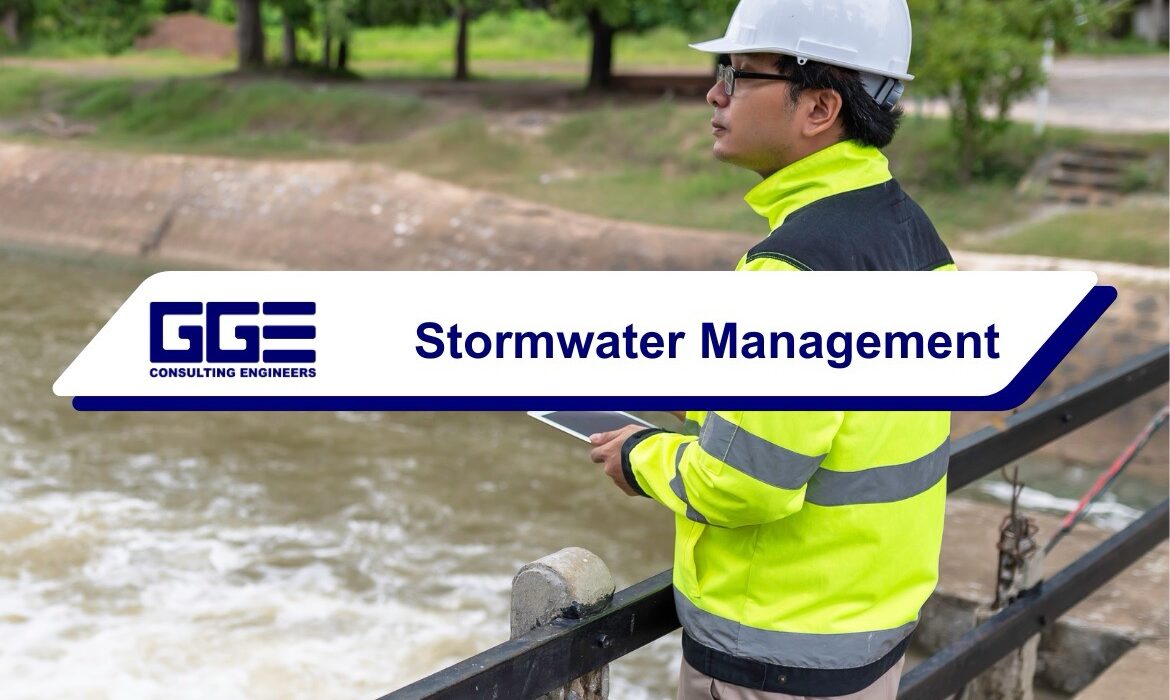
Have you ever watched rainwater rush down your street, wondering where it all goes? Or perhaps you’ve witnessed the devastating aftermath of a flash flood in your neighborhood? If so, you’re not alone. Millions of people around the world face the consequences of poorly managed storm water every single year. The good news is that we don’t have to sit back and watch helplessly as water wreaks havoc on our communities.
Storm water management has become one of the most critical challenges of our time. As our cities grow larger and climate patterns become more unpredictable, the need for smart, effective solutions has never been greater. Whether you’re a homeowner looking to protect your property, a community leader seeking answers, or simply someone curious about how we can build safer neighborhoods, this guide is for you. We’ll explore practical strategies, innovative technologies, and simple steps that anyone can take to minimize the risks associated with storm water. So, let’s dive in and discover how we can turn a potential disaster into a manageable challenge.
What Is Storm Water and Why Does It Matter?
Defining Storm Water in Simple Terms
Think of storm water as nature’s way of recycling. When rain falls or snow melts, that water has to go somewhere. In natural environments, it soaks into the ground, feeds plants and trees, and eventually makes its way to streams, rivers, and underground aquifers. It’s a beautiful, self-sustaining system that has worked perfectly for millions of years.
But here’s where things get complicated. When we build roads, parking lots, rooftops, and sidewalks, we create surfaces that water cannot penetrate. These are called impervious surfaces, and they fundamentally change how water moves through our environment. Instead of soaking into the earth, rainwater rushes across these hard surfaces, picking up pollutants, gaining speed, and overwhelming our drainage systems.
Why Should You Care?
You might be wondering why this matters to you personally. Well, consider this: every time it rains heavily, that water carries oil from parking lots, fertilizers from lawns, pet waste, litter, and countless other contaminants directly into our streams, lakes, and oceans. This isn’t just an environmental issue—it’s a public health concern that affects the water we drink, the beaches we visit, and the fish we eat.
Beyond pollution, poorly managed storm water causes flooding that damages homes, destroys infrastructure, and even claims lives. In the United States alone, flooding causes billions of dollars in property damage annually. Understanding storm water is the first step toward protecting yourself and your community.
The Growing Challenge of Urban Flooding
Cities Under Siege
Imagine your city as a giant bathtub. Now imagine that someone keeps adding more faucets while slowly closing the drain. That’s essentially what’s happening in urban areas around the world. As cities expand and more land gets covered with concrete and asphalt, there’s less space for water to go naturally. Meanwhile, aging drainage infrastructure struggles to keep up with the increased runoff.
Urban flooding has become increasingly common in cities that never experienced such problems before. Streets transform into rivers, basements fill with water, and commuters find themselves stranded. These aren’t just inconveniences—they’re warning signs that our current approaches aren’t working.
The Numbers Don’t Lie
Recent studies show that urban flooding events have increased by over 50% in the past three decades. Cities that were designed for weather patterns of the past century are now facing rainfall intensities they were never built to handle. This is where modern civil engineering comes into play, offering solutions that can help our urban areas adapt to these new realities.
The challenge is particularly acute in older cities where drainage systems were designed generations ago. These systems simply cannot handle the volume of water that modern storms produce, especially when combined with the increased runoff from development.
Understanding the Risks of Poor Storm Water Management
Environmental Consequences
When storm water isn’t properly managed, the environmental toll can be devastating. Polluted runoff is now the leading source of water quality problems in the United States. Every rain event washes a toxic cocktail of chemicals, sediments, and debris into our waterways.
This pollution destroys aquatic habitats, kills fish, and creates dead zones where nothing can survive. Beaches close due to bacterial contamination. Drinking water sources become compromised. The ripple effects touch every aspect of our relationship with water.
Economic Impacts
The financial burden of poor storm water management falls on everyone. Property owners face repair bills after flooding events. Insurance premiums rise in flood-prone areas. Municipalities spend enormous sums cleaning up after storms and repairing damaged infrastructure.
Consider this: for every dollar spent on flood prevention and proper storm water management, communities save an average of six dollars in avoided damages. That’s not just good environmental stewardship—it’s smart economics.
Public Health and Safety
Perhaps most importantly, poor storm water management puts lives at risk. Fast-moving flood waters are incredibly dangerous, and it takes surprisingly little water to sweep a person off their feet or carry away a vehicle. Standing water becomes a breeding ground for mosquitoes, increasing the risk of diseases like West Nile virus.
The Role of Civil Engineering in Water Management
Building Smarter Systems
Modern civil engineering has evolved dramatically in its approach to storm water. Gone are the days when the only solution was to build bigger pipes and faster channels. Today’s engineers understand that working with nature, rather than against it, produces better results at lower costs.
Civil engineering professionals now design integrated systems that slow down runoff, filter pollutants, and recharge groundwater while preventing flooding. These approaches recognize that storm water isn’t a nuisance to be disposed of quickly—it’s a resource to be managed wisely.
The Engineering Toolbox
Engineers have developed an impressive array of tools for managing storm water. Detention basins temporarily hold excess water during storms, releasing it slowly to prevent downstream flooding. Retention ponds permanently store water, providing wildlife habitat and recreational amenities while managing runoff.
Underground storage systems capture water beneath parking lots and parks, making efficient use of limited urban space. Permeable pavements allow water to soak through, combining the functionality of traditional pavement with the absorption capabilities of natural ground.
Balancing Multiple Objectives
What makes modern civil engineering approaches so effective is their ability to achieve multiple goals simultaneously. A well-designed storm water system doesn’t just prevent flooding—it also improves water quality, creates green spaces, enhances property values, and provides habitat for wildlife. This holistic thinking represents a fundamental shift in how we approach water management.
Green Infrastructure: Nature-Based Solutions
Learning from Nature
Here’s a fascinating fact: a single mature tree can absorb hundreds of gallons of water through its roots during a storm. Multiply that by thousands of trees, and you have a powerful natural storm water management system. Green infrastructure takes advantage of this natural capacity, using plants, soil, and natural processes to manage water.
Rain Gardens and Bioswales
Rain gardens are shallow depressions planted with native vegetation that collect and absorb runoff from roofs, driveways, and lawns. They’re beautiful, they support pollinators, and they’re surprisingly effective at reducing flooding and filtering pollutants.
Bioswales work on a similar principle but are designed to move water along a channel while allowing it to soak in gradually. You’ve probably seen them along highways or in parking lot medians without realizing what they were doing.
Green Roofs and Living Walls
Imagine if every rooftop in your city was covered with plants instead of bare shingles or gravel. Green roofs absorb rainfall, reduce runoff, insulate buildings, and create habitat for birds and insects. They’re becoming increasingly popular in cities around the world as property owners recognize their multiple benefits.
The Economics of Green
One of the most compelling arguments for green infrastructure is its cost-effectiveness. Studies consistently show that green approaches often cost less to install and maintain than traditional gray infrastructure. They also provide co-benefits—like improved air quality and reduced urban heat—that traditional systems simply cannot match.
Traditional Drainage Systems and Their Limitations
The Pipe-and-Ditch Approach
For most of the 20th century, storm water management followed a simple philosophy: collect the water and move it away as quickly as possible. Vast networks of pipes, channels, and ditches were built to achieve this goal. While this approach worked reasonably well for many years, it has significant limitations.
Why Bigger Isn’t Always Better
The traditional approach treats symptoms rather than causes. Building bigger pipes doesn’t reduce the amount of runoff—it just moves the problem downstream faster. This can actually increase flood damage in some areas while doing nothing to address water quality issues.
Moreover, traditional drainage infrastructure is incredibly expensive to build and maintain. Many communities are struggling with aging systems that need replacement, facing bills that run into billions of dollars. Civil engineering innovations are helping cities find more sustainable alternatives.
Combined Sewer Systems
Many older cities have combined sewer systems that carry both storm water and sewage in the same pipes. During heavy rains, these systems overflow, discharging raw sewage directly into rivers and lakes. It’s a serious public health and environmental problem that affects hundreds of communities.
Innovative Technologies Transforming Storm Water Control
Smart Water Management
The digital revolution is coming to storm water management. Smart sensors can now monitor water levels throughout a drainage system in real-time, providing data that helps operators anticipate problems before they occur. Some cities are even implementing systems that automatically adjust flow rates to optimize performance during storms.
Predictive Modeling
Advanced computer models can now simulate how storm water will move through a watershed under different rainfall scenarios. These tools help civil engineering professionals design more effective systems and help emergency managers prepare for major storms.
Permeable Technologies
The development of permeable concrete, asphalt, and pavers has opened new possibilities for managing runoff right where it falls. These materials maintain the functionality of traditional hard surfaces while allowing water to pass through, reducing the burden on downstream infrastructure.
Underground Solutions
In dense urban areas where space is at a premium, engineers are looking underground. Massive tunnels and underground reservoirs can store enormous volumes of storm water during peak events, releasing it slowly when the storm passes. Cities like Tokyo and Chicago have invested billions in these underground systems.
How Homeowners Can Protect Their Properties
Start with an Assessment
The first step in protecting your property is understanding how water moves across it during a storm. Walk around your property during a rain event and observe where water collects, where it flows, and where it might be entering your home. This simple exercise can reveal vulnerabilities you never knew existed.
Simple Steps That Make a Difference
You don’t need to be an engineer to make meaningful improvements. Cleaning your gutters regularly ensures that roof runoff is properly directed away from your foundation. Extending downspouts to discharge at least six feet from your home prevents water from pooling near your basement walls.
Rain Barrels and Cisterns
Capturing roof runoff in rain barrels or cisterns reduces the amount of water entering the storm drain system while providing free irrigation water for your garden. It’s a win-win solution that’s easy to implement and can save money on water bills.
Landscaping for Drainage
Strategic landscaping can significantly improve how your property handles storm water. Planting trees and shrubs increases absorption. Creating rain gardens captures and filters runoff. Even something as simple as redirecting the slope of your yard can prevent water from flowing toward your home.
When to Call a Professional
Some drainage problems require professional help. If you’re experiencing repeated basement flooding, erosion, or water damage, it may be time to consult with a landscaper or civil engineering professional who can design a more comprehensive solution.
Community-Level Strategies for Flood Prevention
Thinking Beyond Property Lines
Storm water doesn’t respect property boundaries. What happens on one lot affects neighbors downstream. This is why community-level approaches are so important. When everyone works together, the results are far more effective than isolated individual efforts.
Regional Detention Facilities
Many communities have built regional detention basins that serve entire neighborhoods or watersheds. These facilities capture runoff from large areas, preventing downstream flooding while often providing recreational amenities like trails and sports fields.
Stream Restoration
Restoring degraded streams to more natural conditions can dramatically improve their ability to handle storm flows. By reconnecting streams to their floodplains, removing concrete channels, and planting native vegetation, communities can reduce flood risk while creating valuable habitat.
Community Engagement
Successful storm water management requires public support and participation. Educational programs help residents understand the connection between their actions and water quality. Volunteer monitoring programs engage citizens in tracking local water conditions. Community clean-up events remove debris that could clog drainage systems.
The Importance of Proper Planning and Zoning
Preventing Problems Before They Start
The most cost-effective way to manage storm water is to prevent problems from being created in the first place. This requires thoughtful land use planning that considers how development will affect drainage patterns.
Development Standards
Many communities now require new developments to manage storm water on-site, preventing increases in runoff from reaching neighboring properties. These standards might require detention facilities, pervious surfaces, or green infrastructure as conditions of approval.
Protecting Natural Drainage Features
Streams, wetlands, and floodplains provide natural storm water management services. Protecting these features from development preserves their function while avoiding the costs of replacing them with engineered systems.
Integrating Water into Planning
Progressive communities are integrating water considerations into every aspect of planning. Transportation projects include green infrastructure in their designs. Parks are located where they can also serve as flood control facilities. Building codes encourage water-efficient construction techniques.
Climate Change and Its Impact on Storm Water
A Changing Reality
Climate change is fundamentally altering precipitation patterns around the world. Many regions are experiencing more intense rainfall events, even as total annual precipitation remains stable or decreases. This means more water falling in shorter periods, overwhelming drainage systems designed for historical conditions.
Designing for Uncertainty
Civil engineering professionals face the challenge of designing systems for a future that’s increasingly difficult to predict. Many are adopting adaptive approaches that can be modified as conditions change, building in flexibility rather than optimizing for a single scenario.
Building Resilience
Resilience has become a key concept in storm water management. Resilient systems can absorb disruptions without catastrophic failure. They recover quickly when problems occur. They adapt to changing conditions over time. Building resilience requires thinking beyond minimum standards to consider worst-case scenarios.
Economic Benefits of Effective Storm Water Management
Return on Investment
Investing in storm water management generates significant economic returns. Reduced flood damage means lower insurance claims and repair costs. Improved water quality reduces treatment expenses. Green infrastructure increases property values in surrounding areas.
Job Creation
The storm water management sector creates jobs across the economy. Civil engineering firms design systems. Construction companies build them. Landscaping companies maintain green infrastructure. Manufacturing companies produce specialized products. These are good jobs that can’t be outsourced.
Avoided Costs
Perhaps the biggest economic benefit comes from costs that are avoided entirely. Every flood that doesn’t happen, every bridge that doesn’t wash out, every business that doesn’t have to close—these represent real economic value, even if they never appear on a balance sheet.
Regulations and Policies You Should Know About
Clean Water Act Requirements
The Clean Water Act requires communities above certain sizes to obtain permits for their storm water discharges. These permits require implementation of best management practices to reduce pollution and control flooding.
Local Ordinances
Many communities have adopted local ordinances that go beyond federal requirements. These might include storm water fees based on impervious surface area, design standards for new development, or requirements for retrofitting existing properties.
Incentive Programs
Some communities offer incentives to encourage storm water management. Fee reductions reward property owners who implement best practices. Grant programs help fund green infrastructure projects. Tax credits encourage investment in water-efficient technologies.
The Future of Storm Water Management
Emerging Trends
The future of storm water management looks remarkably different from its past. Integration is replacing isolation—water systems are being connected to energy, transportation, and food systems. Nature-based solutions are gaining acceptance alongside traditional engineered approaches. Data and technology are enabling smarter, more responsive management.
The Role of Innovation
Innovation will continue to drive progress. New materials offer improved performance at lower costs. Better modeling tools enable more precise designs. Emerging technologies like artificial intelligence and the Internet of Things are opening possibilities that would have seemed like science fiction just a few years ago.
A More Sustainable Path
Perhaps most importantly, the field is embracing sustainability as a core value. Civil engineering professionals increasingly recognize that truly successful storm water management must work with natural systems, minimize environmental impacts, and create lasting benefits for communities.
Taking Action: Your Role in the Solution
Everyone Has a Part to Play
Storm water management isn’t just the responsibility of engineers and government officials. Every person, every business, every organization can contribute to the solution. The choices we make about how we use land, what we put down our drains, and how we maintain our properties all affect water quality and flood risk.
Get Involved
Start by learning about storm water issues in your community. Attend public meetings where drainage projects are discussed. Support candidates who prioritize water infrastructure. Join or start a watershed group. Your voice matters in shaping how your community manages water.
Make Changes at Home
Implement best practices on your own property. Disconnect downspouts from storm drains. Plant native vegetation. Reduce the amount of impervious surface. Use fertilizers and pesticides responsibly. These individual actions, multiplied across thousands of properties, can have an enormous collective impact.
Conclusion
Storm water management stands at a crossroads. The challenges are real and growing—urbanization continues, climate patterns shift, and aging infrastructure struggles to keep pace. But the solutions are also real, proven, and increasingly accessible. Through smart planning, innovative civil engineering, community engagement, and individual action, we can minimize the risks that storm water poses to our communities.
The path forward requires all of us to think differently about water. Instead of viewing it as a nuisance to be disposed of, we must recognize it as a resource to be managed wisely. Instead of fighting against nature, we must learn to work with it. Instead of waiting for problems to occur, we must take proactive steps to prevent them.
The good news is that change is already happening. Communities around the world are implementing creative solutions that protect against flooding while improving water quality, creating green spaces, and enhancing quality of life. By learning from these examples and applying their lessons in our own neighborhoods, we can build a future where storm water is managed effectively, efficiently, and sustainably. The time to act is now—because the next storm is always on the horizon.
Frequently Asked Questions (FAQs)
1. What is storm water management and why is it important?
Storm water management refers to the effort to reduce runoff of rainwater or melted snow into streets, lawns, and other surfaces, and the improvement of water quality. It’s important because it prevents flooding, protects water quality, reduces erosion, and maintains the health of local waterways and ecosystems.
2. How does urbanization affect storm water runoff?
Urbanization dramatically increases storm water runoff by replacing natural surfaces with impervious materials like concrete and asphalt. These surfaces prevent water from soaking into the ground, causing it to flow rapidly across the surface, picking up pollutants and overwhelming drainage systems.
3. What are some simple things homeowners can do to manage storm water?
Homeowners can install rain barrels to capture roof runoff, plant rain gardens, extend downspouts away from foundations, use permeable materials for patios and driveways, maintain vegetated buffers, and reduce lawn areas in favor of native plantings that absorb more water.
4. What is green infrastructure in the context of storm water management?
Green infrastructure refers to systems that use vegetation, soils, and natural processes to manage water and create healthier urban environments. Examples include rain gardens, bioswales, green roofs, permeable pavements, and urban forests that absorb and filter storm water naturally.
5. How does climate change impact storm water management?
Climate change is causing more intense rainfall events in many regions, which increases the volume and speed of storm water runoff. This strains existing infrastructure and requires communities to adapt their management approaches to handle larger, more frequent storm events.
6. What role do civil engineering professionals play in storm water management?
Civil engineering professionals design, build, and maintain the systems that manage storm water. They create drainage networks, detention facilities, green infrastructure, and other solutions that protect communities from flooding while improving water quality and environmental health.
7. What is a combined sewer overflow and why is it a problem?
A combined sewer overflow occurs when a system that carries both sewage and storm water becomes overwhelmed during heavy rain, causing untreated sewage to discharge directly into waterways. This creates serious public health and environmental problems in affected communities.
8. Are there regulations governing storm water management?
Yes, the Clean Water Act and various state and local regulations govern storm water management. Many communities are required to obtain permits for their storm water discharges and implement practices to reduce pollution and control flooding.
9. How can communities fund storm water management improvements?
Communities fund storm water management through various mechanisms including storm water utility fees based on impervious surface area, general fund allocations, bonds, grants from state and federal programs, and special assessment districts.
10. What is the difference between detention and retention basins?
Detention basins temporarily store storm water runoff and release it slowly to prevent downstream flooding, eventually draining completely. Retention basins permanently hold water, creating ponds that provide additional benefits like wildlife habitat and recreational opportunities while managing storm water.
At GGE Consulting Engineers Inc., we are committed to delivering innovative engineering solutions that are tailored to your unique needs. Our team of expert engineers has years of experience working across a diverse range of industries, and we have a proven track record of delivering quality projects on time and within budget. We take a collaborative approach to every project, working closely with our clients to ensure that their goals are met and their vision is brought to life. Contact us today to discover how GGE Consulting Engineers Inc. can help you achieve your engineering objectives.