
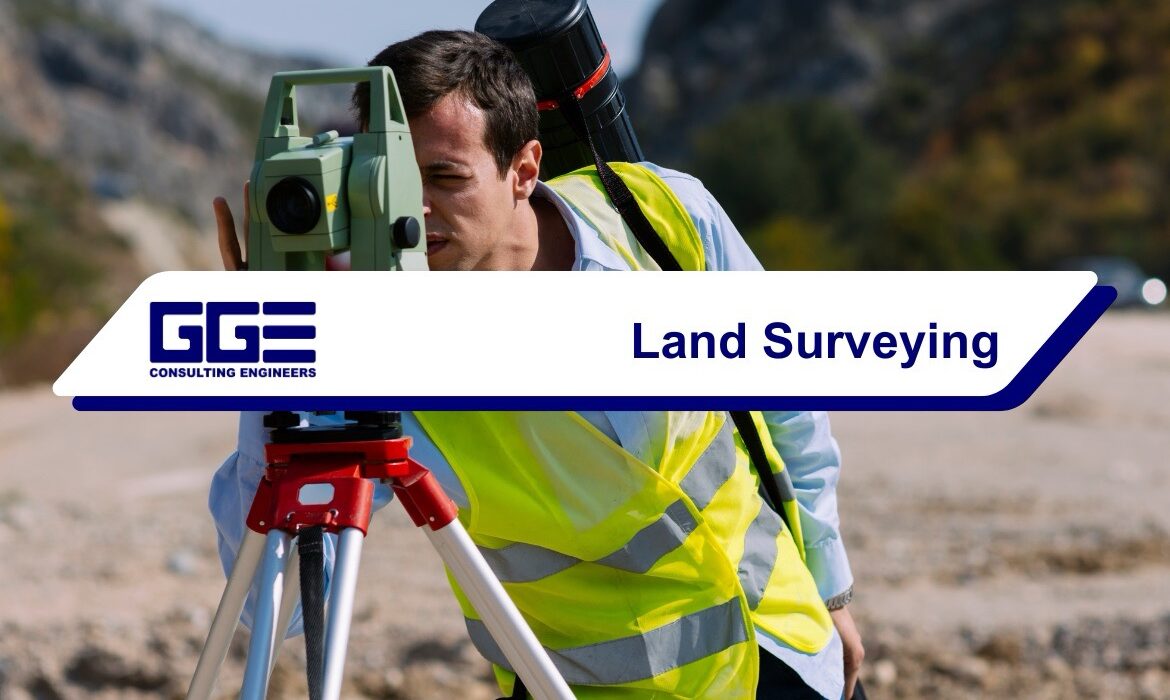
You’ve heard horror stories about neighbors building fences on the wrong side of a boundary line? If you own property in Texas—or you’re thinking about buying some—understanding the value of professional surveying isn’t just helpful; it’s essential.
Texas is a massive state with a rich history of land ownership stretching back centuries. From old Spanish land grants to modern subdivisions, the story of Texas land is complicated. That’s where professional surveyors come in. They’re like detectives for dirt, piecing together legal records, historical documents, and precise measurements to determine exactly what you own.
In this comprehensive guide, we’ll walk you through everything you need to know about why this process matters so much in the Lone Star State. Whether you’re a first-time homebuyer, a rancher with hundreds of acres, or someone dealing with a boundary dispute, this article will help you understand the process, its benefits, and why skipping it could cost you dearly.
What Is Land Surveying and How Does It Work?
At its core, this practice involves measuring and mapping the boundaries of a piece of property. But it’s so much more than just pulling out a tape measure. Professional surveyors use a combination of legal research, historical documentation, and cutting-edge technology to determine the exact location of property lines.
The Science Behind the Process Think of a surveyor as part historian, part scientist, and part detective. They start by researching the legal description of your property—that lengthy paragraph in your deed that describes boundaries using measurements, directions, and reference points. Then they head out into the field with specialized equipment to locate these boundaries on the actual ground.
Modern surveyors use GPS technology, electronic distance measurement devices, and sophisticated software to achieve accuracy within fractions of an inch. They look for existing markers—like iron pins, concrete monuments, or natural features mentioned in old deeds—and compare their findings to the legal records.
Why Accuracy Matters You might think a few inches here or there wouldn’t make much difference. But imagine this: those few inches could mean your neighbor’s new pool is actually on your property, or that the fence you installed is technically trespassing on their land. In Texas, where property values can be substantial, even small discrepancies can lead to big headaches—and expensive legal battles.
The Unique Challenges of Texas Property Boundaries
Texas isn’t like other states when it comes to property law and history. The Lone Star State was an independent republic before joining the United States, and it retained ownership of its public lands. This unique history has created some interesting challenges for establishing clear property boundaries.
Spanish and Mexican Land Grants Many properties in Texas trace their origins back to grants issued by Spanish and later Mexican authorities. These old grants often used natural landmarks—rivers, trees, rock formations—to define boundaries. The problem? Rivers change course. Trees die. Rocks get moved. A surveyor working with these properties must become something of an archaeologist, piecing together centuries-old clues.
The Vastness of Texas Let’s be honest—Texas is enormous. With nearly 269,000 square miles of territory, the state contains an incredible diversity of terrain, from Gulf Coast wetlands to West Texas deserts, from rolling Hill Country to Panhandle plains. Each region presents its own challenges for determining property boundaries. In some rural areas, original survey markers may have been placed over a century ago and are now nearly impossible to find.
Mineral Rights Complications Here’s something that surprises many newcomers to Texas: owning land doesn’t necessarily mean you own what’s underneath it. Mineral rights can be—and often are—separated from surface rights. A thorough examination of property records can reveal whether your ownership includes these valuable subsurface rights or whether someone else has the legal right to drill on your land.
Legal Requirements for Property Transactions
While Texas law doesn’t technically require a survey for every real estate transaction, there are numerous situations where one is either mandated or strongly recommended. Understanding these requirements can save you from costly surprises down the road.
Mortgage Lender Requirements Most banks and mortgage companies will require a current boundary survey before they’ll approve a loan. Why? Because they want to know exactly what they’re financing. The lender needs assurance that the buildings are within property lines, that there are no encroachments, and that the property matches its legal description. If you’re planning to finance a purchase, budget for this expense.
Title Insurance Considerations Title insurance companies use survey information to identify potential issues before issuing a policy. Without accurate boundary information, they may exclude coverage for survey-related matters—leaving you unprotected if problems arise later. A professional survey can often expand your coverage and provide peace of mind.
Subdivision and Development If you’re planning to subdivide property or develop it commercially, Texas law requires proper surveying work. Municipal building permits, zoning compliance, and subdivision plats all depend on accurate measurements and legal descriptions. Trying to shortcut this process can result in permit denials, project delays, and regulatory penalties.
Protecting Your Investment from Boundary Disputes
Few things can ruin good neighborly relations faster than a dispute over where one person’s property ends and another’s begins. These conflicts can drag on for years and cost thousands of dollars in legal fees. A professional survey is your best defense against such problems.
Common Causes of Boundary Disputes You’d be amazed at what can trigger a boundary conflict. Maybe a previous owner installed a fence in the wrong place, and over time, everyone assumed that was the actual line. Perhaps neighboring properties have conflicting deed descriptions that overlap. Or maybe someone built a shed, deck, or driveway that extends onto your land without realizing it.
The Adverse Possession Risk Here’s something that keeps property owners up at night: Texas recognizes adverse possession, sometimes called “squatter’s rights.” If someone openly uses a portion of your land for a continuous period—typically between 3 and 25 years depending on circumstances—they might be able to claim legal ownership. A survey helps you identify any areas where this might be happening and take action before it’s too late.
Prevention Is Cheaper Than Litigation Consider this: a typical boundary survey in Texas might cost between $300 and $800 for a residential lot. Compare that to the cost of a boundary dispute lawsuit, which can easily run into tens of thousands of dollars. When you look at it that way, a survey is one of the cheapest forms of property insurance you can buy.
Types of Surveys Available in Texas
Not all surveys are created equal. Depending on your needs, different types of assessments provide different levels of detail and information. Understanding your options helps you choose the right service for your situation.
Boundary Survey This is the most common type for residential properties. It establishes the corners and boundary lines of a parcel according to its legal description. The surveyor will typically set markers at corners and provide you with a plat showing the property’s dimensions and any easements or encroachments.
ALTA/NSPS Survey For commercial transactions, lenders often require this more comprehensive survey. It follows national standards set by the American Land Title Association and includes additional information about improvements, utilities, access, and other features. It’s more expensive but provides more detailed documentation.
Topographic Survey Planning to build? A topographic survey maps the elevation changes and physical features of your land—hills, valleys, streams, and existing structures. Architects and engineers use this information to design buildings and drainage systems that work with the terrain.
Construction Survey Once you have building plans, a construction survey translates those designs onto the actual ground. It establishes reference points and markers that builders use to position foundations, utilities, and other improvements in exactly the right locations.
When Do You Actually Need a Survey?
Given everything we’ve discussed, you might be wondering: when should I actually invest in this service? The short answer is: more often than you might think. Here are the most common situations where professional measurement services become essential.
Buying or Selling Property This is the most obvious scenario. Whether you’re purchasing your dream home or selling your family ranch, knowing the exact boundaries protects everyone involved. Buyers get assurance about what they’re acquiring, and sellers can demonstrate clear title to the boundaries they’re conveying.
Building Improvements Planning to add a fence, build a garage, install a pool, or construct any other improvement? You need to know where your property ends before you start digging. Building across a property line—even accidentally—can result in having to tear down your improvement at your own expense.
Resolving Neighbor Disputes When there’s disagreement about where the boundary lies, a professional assessment provides objective evidence. Courts give significant weight to licensed surveyor opinions, and often the simple act of commissioning a survey resolves disputes without any need for litigation.
Dividing Land Among Family Members Inheriting property? Want to give part of your land to your children? Any time you’re subdividing a parcel, you’ll need proper measurements to create accurate legal descriptions for the newly created lots.
Understanding Survey Costs and Value
Let’s talk money. Many people put off getting their property measured because they’re worried about the cost. But when you understand what goes into the price—and what you get in return—you’ll see it’s actually an excellent value.
What Affects Pricing Several factors influence how much you’ll pay. The size of your property is the most obvious—a quarter-acre lot costs less to survey than a 500-acre ranch. Terrain matters too; flat, clear land is easier to work with than heavily wooded or mountainous property. The complexity of the legal description, availability of existing records and markers, and type of survey required all play roles.
Typical Price Ranges For a standard residential lot in Texas, expect to pay somewhere between $300 and $800 for a basic boundary survey. Larger or more complex properties can range from $1,000 to several thousand dollars. Commercial ALTA surveys start around $1,500 and go up from there. While these aren’t trivial amounts, compare them to property values and potential legal costs, and they become quite reasonable.
The Return on Investment Think of a survey as insurance. That $500 you spend today could prevent a $50,000 legal battle tomorrow. It could stop you from building a $30,000 garage in the wrong location. It might reveal that your property actually includes more land than you thought—or less, which would affect what you should pay for it. Either way, the information has real monetary value.
How to Choose the Right Surveyor
Not all surveyors are equal, and choosing the wrong one can lead to inaccurate results, legal problems, or wasted money. Here’s what to look for when selecting a professional for your property assessment needs.
Licensing and Credentials In Texas, surveyors must be licensed by the Texas Board of Professional Land Surveying. This isn’t just a bureaucratic requirement—it ensures the person measuring your property has met educational standards, passed rigorous exams, and maintains professional liability insurance. Always verify licensing through the board’s website before hiring anyone.
Local Experience Texas is diverse, and so are its surveying challenges. A professional familiar with your specific region will know where to find historical records, understand local terrain issues, and have relationships with county clerks and other officials who can help locate important documents. Someone who’s worked extensively in the Hill Country, for example, knows the unique challenges of that area’s rocky terrain and Spanish-era grants.
Questions to Ask Before hiring, ask potential surveyors about their experience with properties similar to yours, their turnaround time, what’s included in their quote, and whether they carry errors and omissions insurance. Get everything in writing. A reputable professional will happily answer your questions and provide clear documentation of their services.
Common Problems Uncovered During Surveys
You might be hoping your survey reveals no issues. But if there are problems, isn’t it better to discover them now rather than later? Here are some of the most common issues that professional assessments uncover.
Encroachments An encroachment occurs when something crosses over a boundary line. Maybe your neighbor’s fence extends a few feet onto your property. Perhaps a previous owner of your land built a shed that’s actually sitting on neighboring land. These situations need to be addressed, and discovering them during a survey gives you time to negotiate solutions.
Gap and Overlap Issues Sometimes, due to errors in old surveys or legal descriptions, neighboring properties don’t fit together cleanly. There might be a strip of “no man’s land” between them (a gap) or their descriptions might overlap, meaning both parties claim the same ground. These title issues require legal resolution, and a survey is the first step in identifying them.
Undisclosed Easements An easement gives someone else the right to use part of your property for a specific purpose—like a utility company accessing power lines or a neighbor using a driveway. Some easements appear in deed records; others are established by use over time. A thorough survey helps identify these restrictions on your property rights.
Size Discrepancies Believe it or not, properties are frequently larger or smaller than official records indicate. This could affect your property taxes, your insurance coverage, or the value of your land. Knowing the actual size helps you make informed decisions about all these matters.
The Role of Technology in Modern Surveying
Your grandfather’s surveyor might have used a transit and chain. Today’s professionals have access to technology that would seem like science fiction to earlier generations. These advances have made property measurement faster, more accurate, and in some ways more affordable.
GPS and GNSS Systems Global positioning systems allow surveyors to establish precise locations using satellite signals. Modern survey-grade GPS receivers can achieve accuracy within centimeters. This technology is especially valuable in Texas, where vast rural properties might lack the existing reference points that urban surveys can rely on.
Drones and Aerial Imaging For large properties, drones equipped with cameras and sensors can collect detailed information much faster than ground-based methods. Aerial photography and photogrammetry create detailed maps showing terrain, vegetation, structures, and potential boundary evidence. This technology has become particularly valuable for ranches and large rural tracts.
3D Laser Scanning LiDAR (Light Detection and Ranging) technology uses laser pulses to create incredibly detailed three-dimensional models of terrain and structures. This advanced technique can even “see through” vegetation to map the ground beneath, which is invaluable in heavily wooded areas of East Texas.
Digital Records and GIS Geographic Information Systems allow surveyors to integrate measurements with other data sources—historical maps, aerial photographs, utility records, and more. These systems help identify potential issues and create comprehensive documentation that clients can actually understand and use.
Historical Land Grants and Their Impact Today
Texas has one of the most complex property histories in North America. Understanding this history helps explain why professional boundary determination remains so crucial here—and why it’s often more complicated than in other states.
The Spanish Colonial Period Before Texas was Texas, it was Spanish territory. The Spanish crown granted land to settlers using a system that measured in varas (roughly 33 inches) and leagues (about 2.6 miles). Boundaries were often described using natural features: “from the large oak tree to where the creek bends.” Finding these original markers—or determining where they once stood—requires detective work that combines historical research with field investigation.
Mexican Independence and the Republic After Mexican independence and during the Texas Republic period (1836-1845), millions of acres were granted to settlers under various colonization programs. These grants created a patchwork of properties with varying levels of documentation quality. Some have clear, well-preserved records. Others are based on sketchy descriptions that have challenged surveyors for nearly two centuries.
Why This Matters for Modern Owners You might think these historical issues only affect ancient ranches. In reality, many modern subdivisions and developments sit on land with roots tracing back to these early grants. Problems with original descriptions can ripple through to current owners. A professional working with your property will research this history to ensure your boundaries rest on solid legal foundations.
Environmental and Zoning Considerations
Property boundaries don’t exist in isolation. They interact with environmental regulations, zoning restrictions, and other legal frameworks that affect what you can do with your land. A comprehensive assessment helps you understand these relationships.
Floodplain Mapping Texas experiences significant flooding, and federal regulations restrict construction in designated flood zones. An elevation certificate—which requires surveying work—may be necessary to determine your property’s flood risk and insurance requirements. This is especially important in Houston, Austin, San Antonio, and other areas with flood histories.
Wetlands and Protected Areas Environmental laws protect certain natural features, and building on them can result in severe penalties. Professional assessments can identify wetlands, endangered species habitats, and other environmentally sensitive areas on your property before you run into regulatory trouble.
Setback Requirements Zoning regulations typically require buildings to be set back certain distances from property lines, streets, and other features. Without knowing exactly where your boundaries lie, you can’t determine where you’re allowed to build. A survey ensures your construction plans comply with local regulations.
What to Expect During the Survey Process
If you’ve never commissioned a survey before, you might wonder what actually happens. Here’s a step-by-step guide to the typical process, so you know what to expect.
Initial Consultation and Research First, the surveyor will gather information about your property—the deed, previous surveys if available, and any specific concerns you have. They’ll research public records at the county courthouse and other sources to understand your property’s legal history and gather the information needed for fieldwork.
Field Work Next comes the actual measurement. A survey crew will visit your property with their equipment to locate existing markers, make measurements, and gather data. Depending on your property’s size and complexity, this might take a few hours or several days. You don’t need to be present, but you should provide access and let your neighbors know what’s happening.
Analysis and Documentation Back in the office, the surveyor analyzes the field data alongside the legal records. They resolve any discrepancies, calculate boundary positions, and prepare documentation. This phase requires careful professional judgment, especially when evidence conflicts or historical records are unclear.
Delivery and Explanation Finally, you’ll receive the completed survey—typically a drawn plat showing your property boundaries, dimensions, and any easements or encroachments, along with a legal description. A good surveyor will take time to explain their findings and answer your questions. Keep these documents safe; they’re valuable records of your property rights.
Conclusion
When you buy land in Texas, you’re acquiring more than just dirt and grass. You’re buying rights—the legal authority to use, enjoy, and profit from a specific piece of the earth’s surface. But those rights are only as secure as your knowledge of their boundaries. Without professional measurement and documentation, you’re essentially guessing about what you own.
The investment in proper boundary determination pays dividends in peace of mind, legal protection, and informed decision-making. Whether you’re buying your first home, developing commercial property, or managing a family ranch, understanding your exact boundaries isn’t a luxury—it’s a necessity. Don’t wait for a dispute or a problem to force you into action. Take the proactive step of knowing exactly what’s yours. In the complicated world of Texas property law, that knowledge is truly power.
Frequently Asked Questions (FAQs)
1. How long does a typical property survey take in Texas?
For a standard residential lot, the entire process usually takes one to two weeks from when you hire the surveyor to when you receive your completed documents. The actual fieldwork might only take a few hours, but research, analysis, and documentation require additional time. Larger or more complex properties can take several weeks or longer.
2. Can I use an old survey instead of getting a new one?
It depends on several factors, including how old the survey is, whether there have been any changes to the property or surrounding areas, and what you need it for. Lenders and title companies often require surveys less than a certain age (commonly 6-12 months). For personal knowledge, an older survey might suffice, but boundaries could have been affected by changes you’re not aware of.
3. What happens if my survey reveals an encroachment?
If something crosses your boundary—or vice versa—you have several options. Often, neighbors can resolve encroachments through informal agreements or formal easements. In some cases, the encroaching party might need to remove the offending structure. If negotiation fails, legal action might be necessary. Having a survey that documents the encroachment gives you evidence to support whatever resolution you pursue.
4. Is land surveying required for building a fence in Texas?
Texas law doesn’t require a survey before building a fence, but it’s strongly advisable. If you build on your neighbor’s property—even accidentally—you could be required to remove the fence and potentially pay damages. The cost of a survey is minimal compared to the expense and embarrassment of having to tear down and relocate a fence.
5. How accurate are modern property surveys?
Modern survey-grade GPS equipment and other technology can achieve accuracy within centimeters—far more precise than measurements from decades past. However, the practical accuracy of any survey depends not just on measurement precision but also on the quality of evidence available about original boundary positions. A surveyor can only work with the information that exists.
6. Who pays for the land survey in a real estate transaction?
This is negotiable between buyer and seller. In Texas, buyers often pay for surveys since they’re the ones who will benefit from knowing exactly what they’re purchasing. However, sellers sometimes provide surveys as part of the transaction to make their property more attractive to buyers. Check your purchase contract to see how this cost is allocated.
7. Can property boundary markers be legally moved?
No. In Texas, intentionally moving or destroying a survey marker is a criminal offense—specifically, a Class A misdemeanor that can result in fines and even jail time. These markers are legal evidence of property boundaries. If you find that a marker has been disturbed, contact a licensed surveyor to restore it based on the original survey records.
8. What’s the difference between a plat and a survey?
A plat is a recorded map showing how a larger tract has been divided into smaller lots, typically for a subdivision. It’s a public document filed with the county. A survey is a professional determination of boundaries for a specific parcel, which may or may not reference a recorded plat. While related, they serve different purposes and provide different levels of detail.
9. Do I need a survey to install a swimming pool?
While not always legally required, a survey is highly recommended before pool installation. You need to know exactly where your property lines are to comply with setback requirements and avoid building on neighboring land. Many pool contractors and permit offices will require survey information before proceeding with installation.
10. How do I find records from previous surveys of my property?
Start with your closing documents—they may include a survey. The county clerk’s office keeps records of recorded plats and some surveys. Title companies that have handled previous transactions involving your property may have surveys in their files. Finally, the surveyor who performed previous work might still have records. A new surveyor will typically research these sources as part of their work.
At GGE Consulting Engineers Inc., we are committed to delivering innovative engineering solutions that are tailored to your unique needs. Our team of expert engineers has years of experience working across a diverse range of industries, and we have a proven track record of delivering quality projects on time and within budget. We take a collaborative approach to every project, working closely with our clients to ensure that their goals are met and their vision is brought to life. Contact us today to discover how GGE Consulting Engineers Inc. can help you achieve your engineering objectives.