

Limoges, France
BuildWall has worked on this site continuously since 2006 and enjoys a long-standing relationship with Shell Canada. In June 2010,...

Contact us:

GGE Consulting Engineers delivers licensed civil engineering across the full spectrum of South Texas development — from single-parcel commercial sites to multi-phase subdivision infrastructure, from TxDOT right-of-way projects to FEMA floodplain reclassification. Led by Gustavo Gonzalez, P.E. — who holds a BS in Civil Engineering and brings 45 years of experience including former service as City Engineer and Water Utilities Director — every project receives principal-level oversight, PE-sealed deliverables, and the regulatory fluency that only comes from having worked on both sides of the permitting process.

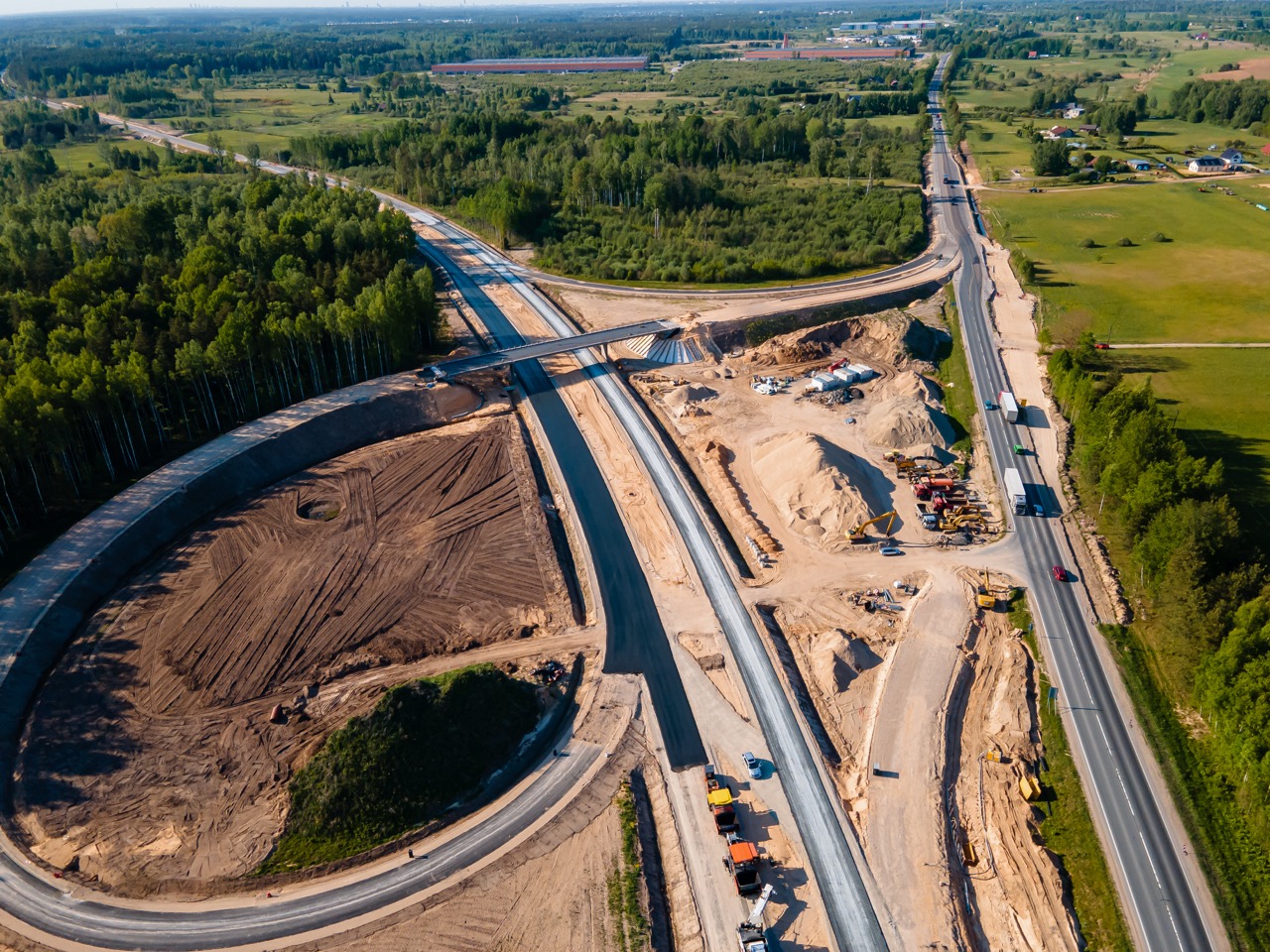
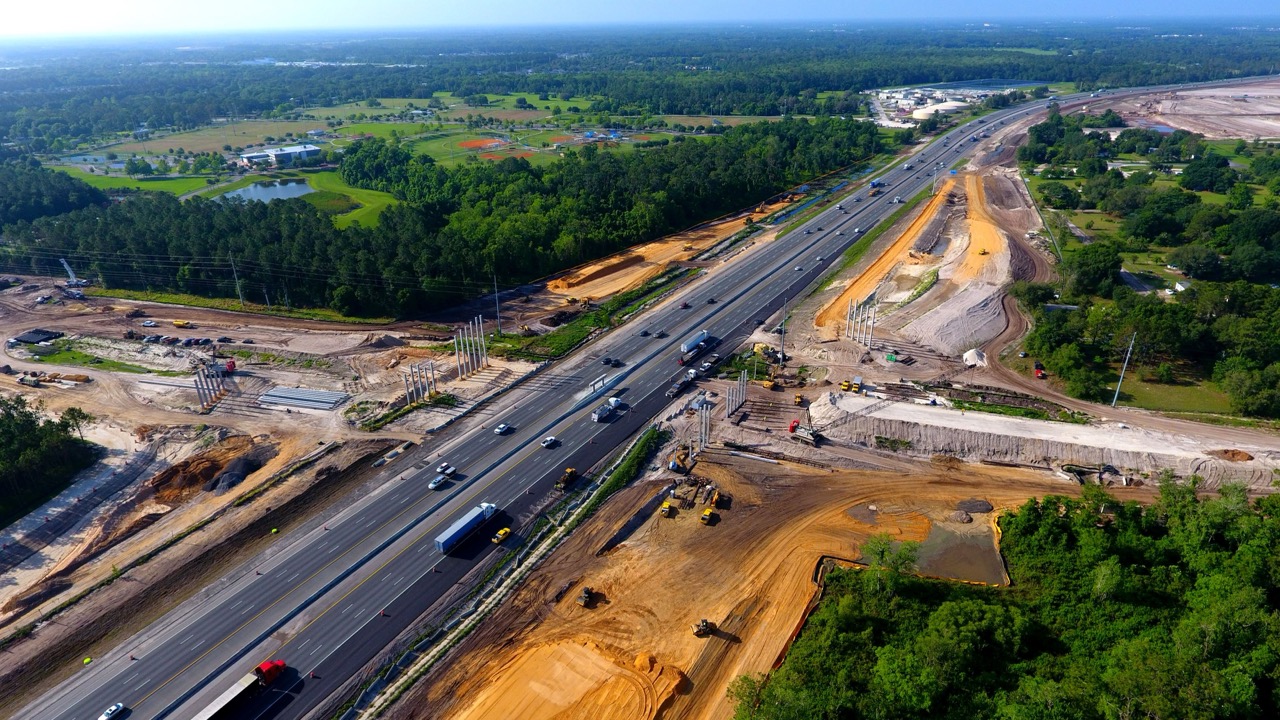
All our services are driven by three core values: Integrity, accountability and reliability. Our Civil Engineering solutions are amongst the best in the industry across the Austin-San Antonio metroplex and South Texas.
Full-service civil engineering for commercial projects from concept through permit — site grading and earthwork plans, access design, parking layout, utility connections, drainage design, and coordination with City Development Services, SAWS, and CPS Energy. GGE manages the multi-agency approval process so developers avoid costly delays and resubmittals.
Complete civil design for residential and mixed-use subdivisions throughout South Texas — lot layout, street design compliant with municipal standards, water distribution systems, sanitary sewer collection systems, drainage infrastructure, and full construction document packages required for preliminary and final plat approval.
Roadway engineering for municipal capital improvement programs, private developments, and TxDOT right-of-way projects — including horizontal and vertical alignment design, pavement structural design, traffic control plans, ADA ramp design, and cross-section development. GGE's value engineering on the Toyota Plant Access Improvements project saved the City of San Antonio significant capital through a creative super-elevated roadway design.
Design of water distribution and sanitary sewer collection systems for new subdivisions, community rehabilitations, and public infrastructure programs — including pipe sizing, pressure analysis, lift station design, service connection coordination with SAWS, and compliance with TCEQ design standards and local utility requirements.
Hydrologic and hydraulic engineering for stormwater management on development sites and public infrastructure — drainage area delineation, runoff calculations, channel and culvert design, detention pond sizing, and compliance with municipal drainage criteria. GGE uses HEC-HMS for hydrologic modeling and HEC-RAS for hydraulic analysis, the same software standards required by the City of San Antonio, Bexar County, and Hays County.
Comprehensive FEMA floodplain engineering for development sites within or adjacent to Special Flood Hazard Areas — including HEC-RAS hydraulic modeling, conditional and final Letter of Map Revision (CLOMR/LOMR) application preparation, Elevation Certificate production, and ongoing FEMA coordination through the review and approval process. GGE's Abbas Subdivision CLOMR identified approximately 3 buildable acres previously assumed to be in the floodplain, enabling a commercial project to proceed.
Engineering oversight through the construction phase — reviewing contractor submittals, responding to RFIs, conducting periodic site observations, issuing field clarifications, coordinating inspection compliance, and preparing as-built documentation. GGE's construction administration keeps projects on schedule and protects owners from change order disputes rooted in design ambiguity.
Active, assertive management of the regulatory approval process — across City of San Antonio Development Services, SAWS, TxDOT, TCEQ, EPA, Bexar County, and FEMA. GGE tracks permit status, coordinates review responses, and maintains the federal, state, and local compliance standards required for publicly and privately funded projects in South Texas.
We begin with a direct consultation — in-person or virtual — with Gustavo Gonzalez, P.E. to define project scope, review available survey data and existing utility records, identify governing jurisdictions and permit requirements, and confirm the regulatory pathway. We assess whether FEMA floodplain issues, TxDOT right-of-way requirements, or TCEQ design standards apply, and structure the project schedule accordingly. No ambiguity about scope, fee, or deliverables before work begins.
Our civil engineers perform the technical core of the project — hydrologic and hydraulic analysis using HEC-HMS and HEC-RAS, water and wastewater system modeling, pavement structural design, grading and earthwork calculations, and utility layout coordination. Design decisions are made with value engineering in mind from the start, identifying opportunities to reduce construction cost without compromising function, code compliance, or long-term performance.
Construction documents are prepared in AutoCAD Civil 3D — fully dimensioned, technically specified, and cross-referenced to applicable municipal, state, and federal standards. Gustavo Gonzalez, P.E. applies his Texas professional seal and signature to all plan sheets. GGE then manages the submission and review process across City Development Services, SAWS, TxDOT, TCEQ, and FEMA as applicable — tracking comments, coordinating responses, and resubmitting until full permit approval is obtained.
GGE remains engaged through construction — reviewing contractor submittals, issuing responses to RFIs, performing periodic site observations to verify compliance with the approved plans, and coordinating any required inspections with governing agencies. At project closeout, GGE prepares record drawings and as-built documentation, files required post-construction reports with FEMA or regulatory agencies, and provides final certifications for occupancy or acceptance.
A civil engineer transforms raw land into a buildable, permitted site by designing the physical infrastructure it requires. For a typical commercial or residential development in San Antonio, that means:
The civil engineer’s PE-sealed drawings are what the building department, lender, and contractor actually use to approve and build the project. Without them, no permit is issued.
GGE’s civil engineering scope is delivered integrated with land surveying and structural engineering — one firm, one project manager, one point of accountability for the entire development process.
A CLOMR — Conditional Letter of Map Revision — is a formal determination issued by FEMA stating that a proposed project, once built, would justify revising the official Flood Insurance Rate Map (FIRM) for that area. In Texas, a CLOMR is required whenever a development proposes to fill, grade, or build within a FEMA-designated Special Flood Hazard Area (the 100-year floodplain) in a way that would change the Base Flood Elevation or the floodplain boundary.
The CLOMR process requires:
After construction is complete, a LOMR (Letter of Map Revision) confirms the map change is permanent. GGE prepares both — and manages the FEMA review process from initial submission through final determination.
South Texas — including Hays, Bexar, Comal, and Guadalupe counties — has extensive FEMA-mapped floodplains. GGE’s CLOMR work on the Abbas Subdivision identified approximately 3 acres of buildable land previously mapped as floodplain, enabling the entire project to move forward.
Yes — and government engineering is where GGE’s experience is deepest. Gustavo Gonzalez, P.E. previously directed the City of Corpus Christi’s engineering, water, wastewater, streets, and facilities departments, overseeing capital programs exceeding $100 million annually. He also served as City Engineer for Castroville, managing street, drainage, and utility infrastructure for a municipal government directly. That background means GGE understands procurement rules, bond funding accountability, federally required documentation, and agency coordination protocols at a level most private firms cannot match.
GGE has experience working under the following public funding and regulatory frameworks:
As a certified HUB, MBE, and Veteran-Owned firm, GGE provides direct diversity credit on publicly funded contracts — no separate HUB subconsultant required.
GGE uses industry-standard hydraulic and hydrologic modeling software that is specifically required or preferred by the governing agencies in South Texas:
Why does software choice matter? Because submitting a drainage study in an unsupported format, or modeling in software that doesn’t meet the reviewing agency’s standards, causes rejections and delays. GGE’s software stack matches what San Antonio Development Services, Bexar County, Hays County, and FEMA actually require.
When a development project requires civil engineering, structural engineering, and land surveying — which most do — hiring three separate firms creates three separate workflows, three separate invoices, three separate schedules, and three separate opportunities for conflict. Common problems include:
At GGE, all three disciplines share the same project coordinate system, the same AutoCAD drawing standards, the same principal reviewer, and the same contract. Survey data becomes civil input the same day. Civil grading informs structural foundation design in the same workflow. Permit packages are internally cross-checked before submission.
In practice, GGE’s integrated model saves clients 2–4 weeks on typical development timelines and eliminates the most common source of cost overruns on multi-discipline projects: inter-firm coordination failures.
BuildWall has worked on this site continuously since 2006 and enjoys a long-standing relationship with Shell Canada. In June 2010,...
This twin-tower condo projects is one of the largest new residential building projects in the Puget Sound area, with 500...